Technology transformation is really people transformation – Mining Indaba panelists

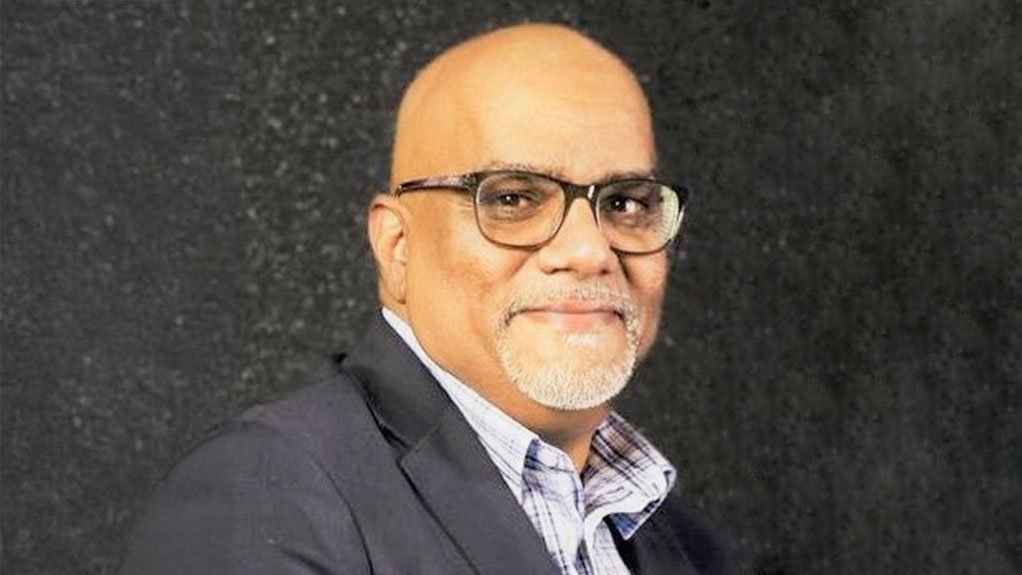



Mining currently faces the challenge of adopting the latest technologies, notably, but not exclusively, AI. This was the topic for a panel discussion on the first day of Investing in African Mining Indaba 2026, being held at the Cape Town International Convention Centre.
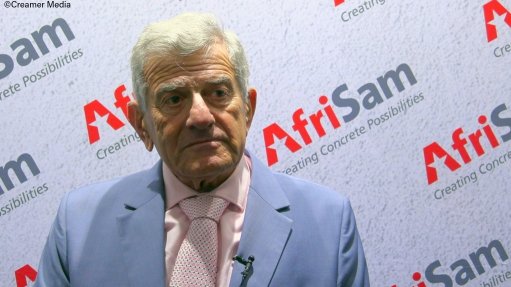
Microsoft worldwide mining industry leader Joseph Starwood reported that the new technologies were ready for use in the mining sector, but that their adoption was very uneven. Some miners were embracing and adopting the technology, while others were lagging badly. Even within the same group, some divisions were eagerly adopting the new technology, while other divisions were not.
Minerals Council South Africa skills head Mustak Ally highlighted that, in the South African context, there was a need to start with science, technology, engineering and mathematics education, which was not properly in place. In terms of post-school education, there was a very bureaucratic and rigid process to develop and approve curricula (while technology evolved fast). There was a need to speed things up. Further, the country suffered from a skills mismatch. Unless these issues were addressed, success would not be achieved. Other African countries also suffered from these problems.
The most important thing to remember was that mining was not a theoretical activity; it was a very practical one, stressed SmartOps Solutions CEO Mohene Benzane. A lot of mining companies did not understand technology adoption. Adoption had two basic elements: no matter the technology, there would be people who wanted or needed to use it; and, the ease, or apparent ease, of the use of the technology. People, especially the frontline teams, needed to be involved in the adoption of new technology, from early on in the process. It didn’t matter if the people were “old”, they were adaptable. If you didn’t involve the frontline people early on, you’d get resistance. If you did involve them, you’d be able to identify the people who liked the technology and wanted it, and these early adopters would inspire the others to follow suit.
“As with most of the changes we bring about, we talk to our people,” explained Exxaro Resources executive head: people and performance Joseph Rock. “It’s never the technology. If it’s the technology, it’s easy to fix. The problem is belief.” People did not understand the technology, did not trust it, and feared it would cost them their jobs. “We don’t call it tech transformation anymore.” It was people transformation; making people understand what you are doing and make them comfortable with it. “The belief is that automation, technology, is about cost cutting, and cost-cutting is about headcount reduction.” There were different reactions to new technology from different generations in the workforce. You needed different approaches for different segments of the workforce. To gauge employee attitudes, Exxaro did quick surveys via smartphones, which nearly all employees now had. “We generally try and get them aboard.” The group did not regard automation as a means to cut its headcount; rather, the aim was to augment its people, not replace them.
BHP head of product and innovation and head of the Xplor programme Marley Palin noted that they had had a problem with middle management. Middle management had to be skilled to understand and adopt technology. Automation was a huge exercise. BHP had committed to not cut staff while implementing it. She affirmed that the mining industry did not engage in systems thinking, but successful technological transformation, automation and re-skilling workers required systems thinking, which was something the oil and gas industry had adopted ten to 15 years ago.
“Adaption and change management will be a continuous activity, in this age of AI and agenticAI,” stressed Starwood. Leaders had to lead by example. They had to adopt the technology themselves, and use it. That would build trust among their workforces. Systems thinking had to be adopted, along with futures thinking – an awareness of the future options facing the company and deciding which to select.
Article Enquiry
Email Article
Save Article
Feedback
To advertise email advertising@creamermedia.co.za or click here
Research Reports


Projects

Latest Multimedia
Latest News
Showroom

For over 15 years, Lilak Aluminium, a trusted leader in architectural extrusion supply, has delivered excellence to businesses like yours.
VISIT SHOWROOM
Rio Carb is an OEM (Original Equipment Manufacturer) of R-C700 Chromium Carbide (CrC) alloy clad wear plates and pipes used for heavy materials...
VISIT SHOWROOM
Press Office
Announcements
What's On
Subscribe to improve your user experience...
Option 1 (equivalent of R125 a month):
Receive a weekly copy of Creamer Media's Engineering News & Mining Weekly magazine
(print copy for those in South Africa and e-magazine for those outside of South Africa)
Receive daily email newsletters
Access to full search results
Access archive of magazine back copies
Access to Projects in Progress
Access to ONE Research Report of your choice in PDF format
Option 2 (equivalent of R375 a month):
All benefits from Option 1
PLUS
Access to Creamer Media's Research Channel Africa for ALL Research Reports, in PDF format, on various industrial and mining sectors
including Electricity; Water; Energy Transition; Hydrogen; Roads, Rail and Ports; Coal; Gold; Platinum; Battery Metals; etc.
Already a subscriber?
Forgotten your password?
Receive weekly copy of Creamer Media's Engineering News & Mining Weekly magazine (print copy for those in South Africa and e-magazine for those outside of South Africa)
➕
Recieve daily email newsletters
➕
Access to full search results
➕
Access archive of magazine back copies
➕
Access to Projects in Progress
➕
Access to ONE Research Report of your choice in PDF format
RESEARCH CHANNEL AFRICA
R4500 (equivalent of R375 a month)
SUBSCRIBEAll benefits from Option 1
➕
Access to Creamer Media's Research Channel Africa for ALL Research Reports on various industrial and mining sectors, in PDF format, including on:
Electricity
➕
Water
➕
Energy Transition
➕
Hydrogen
➕
Roads, Rail and Ports
➕
Coal
➕
Gold
➕
Platinum
➕
Battery Metals
➕
etc.
Receive all benefits from Option 1 or Option 2 delivered to numerous people at your company
➕
Multiple User names and Passwords for simultaneous log-ins
➕
Intranet integration access to all in your organisation